
Reacting to: Selden Tual Real Estate Blog, May 2026
The trigger: Sellers in 2026 face tension between ordering a pre-listing engineer report (which assumes liability for disclosed issues) and skipping it (which risks legal exposure if problems emerge post-sale). This creates a false choice. Many North Texas sellers pick what feels safer: do nothing, hope nothing fails before closing, and transfer all structural risk to the buyer. It is a strategy that is increasingly expensive.
Why the Avoidance Strategy Backfires
The logic seems straightforward: if you don't hire an engineer, you don't officially know about foundation movement, cracking, or soil settlement. No report, no liability. This reasoning collapses the moment a buyer's inspector (or their lender's engineer) finds evidence of movement. Texas law requires sellers to disclose known foundation issues on the Residential Property Condition Form (TREC Form OP-H), but "known" is defined narrowly: if you've never had an engineer report, you can't disclose what you don't know.
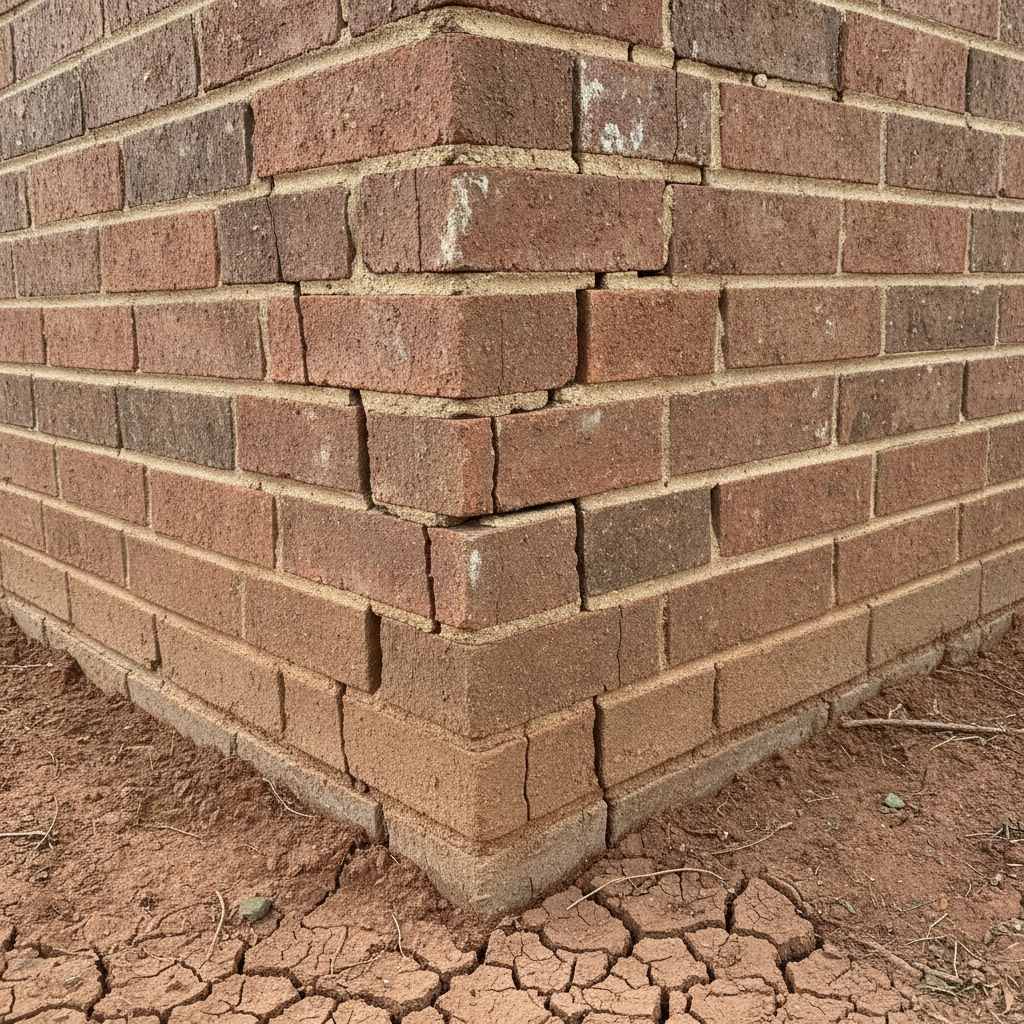
But here is the problem with that escape hatch: a crack visible at the surface, a door that sticks, or a notice of prior repair work is also "known." When a buyer uncovers these signs during their own inspection and you have not documented your own assessment, you appear evasive. Worse, you signal that you are hiding something. In North Texas's competitive selling environment, perception matters more than legal ambiguity. A buyer who suspects you avoided an engineer report will either walk away or use that suspicion to demand a heavy discount.
The physical reality is unforgiving. Expansive clay that runs from Dallas through Austin acts like a structural accordion: it expands when saturated and contracts during dry spells. Soil moisture across most of northern Texas in early 2026 was below the 10th percentile. That drought-induced shrinkage has cracked many foundations. The cracks do not vanish when a seller changes hands. They move with the property.
What the Current Market Actually Demands
Today's buyer and lender behavior has shifted. Smart buyers in 2026 treat engineer reports as non-negotiable for older Dallas homes, especially in East Dallas, Highland Park, and surrounding neighborhoods. This is not paranoia; it is data-driven caution. When a buyer requests their own engineer and finds cracking, settlement, or drainage failure, they will ask why you did not disclose this earlier. If you have no PE-sealed report of your own, you lose the ability to frame the conversation. The buyer frames it for you, and it is rarely generous.
Insurance companies in Texas are increasingly scrutinizing homes with known foundation movement, sometimes raising premiums or declining coverage. A buyer who receives your clear engineer report before closing can price that risk into their insurance decision and their offer. A buyer who discovers it after closing may find their policy excludes foundation damage entirely. They will blame you.
The Math of Early Disclosure
A PE-sealed foundation and structural assessment costs between $500 and $1,500 for a typical residential slab or pier-and-beam home in North Texas, depending on lot size, complexity, and whether drainage or retaining wall evaluation is included. Call it $1,000 as a reasonable midpoint.
If the report shows minor cosmetic cracking or seasonal soil shrinkage (common in our region), you price the home accurately and sell faster. If it shows active foundation movement or drainage failure requiring repair, you have three options: (1) repair before sale, (2) credit the buyer and reduce your asking price, or (3) walk away and wait for a less cautious buyer. All three are preferable to selling a home whose structural status is undisclosed and then facing a post-closing lawsuit or title insurance claim.
A failed repair, a post-sale structural failure, or a buyer lawsuit costs far more than $1,000. A 550,000-dollar home with unresolved foundation issues can face repair costs of 8,000–30,000 dollars or more (for piering and stabilization) within 5–10 years. If you sell without disclosure and that buyer later sues you, your legal costs alone exceed the engineer report by orders of magnitude.
What North Texas Sellers Should Actually Do
Order a PE-sealed foundation and structural assessment before listing. Do this when you are ready to price the home, not after an offer arrives. Have the engineer evaluate the slab or pier system, visible cracks, doors and windows for separation, grading and drainage, and any prior repair work. Ask the engineer for a clear written summary: is this home moving, static, or stable-but-cosmetic?
Use that report to set your price. If the report is clean or shows only normal seasonal movement, advertise that confidence to buyers. If it shows problems, price them out and let the buyer know exactly what they are buying. Proactive transparency means getting the engineer report, disclosing findings honestly, and pricing accordingly. Buyers respect honesty and are more likely to close without contingencies.
Do not use the engineer report as a cudgel to hide problems. Use it as a tool to communicate them honestly and move the sale forward without surprises, renegotiations, or legal exposure.
For contractors and realtors in North Texas, this is worth saying plainly to your clients: the cost of knowing is always cheaper than the cost of not knowing. The market has moved. Sellers who pretend foundation risk does not exist are already losing.
Related: Foundation Inspections · Pre-Purchase Inspection · Structural Engineering Assessments
Disusun dengan bantuan AI dan ditinjau terhadap sumber publik yang dirujuk di atas. Bukan pengganti inspeksi bersegel PE.